
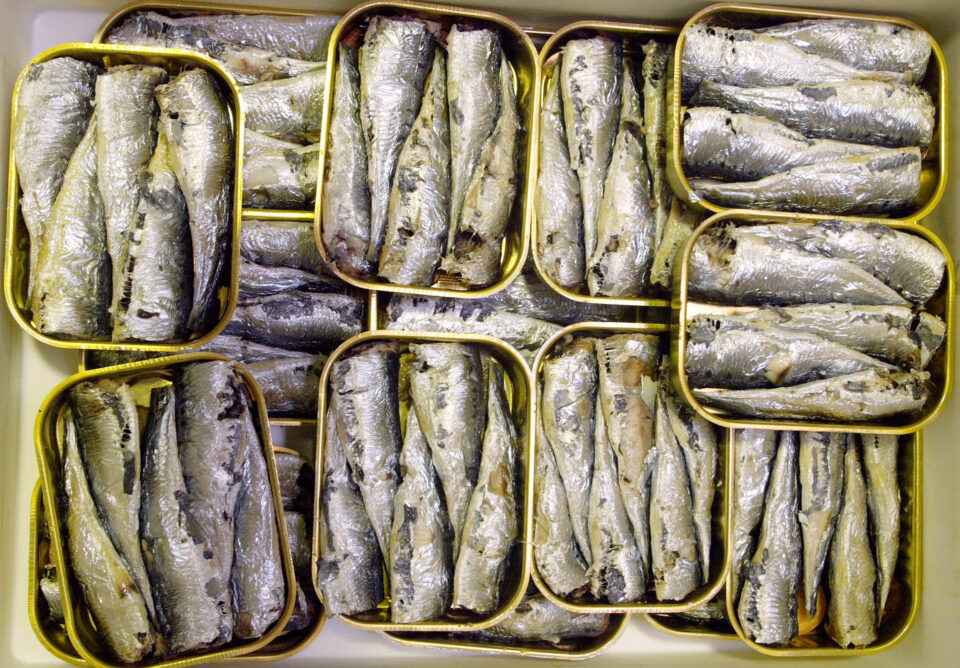
Sardines are experiencing the sort of cultural moment millennials had with bacon in 2010s. | Marcel Mochet/AFP via Getty Images
If it feels like your algorithm is being hijacked by tiny, silver fish, you’re not just seeing things; sardines are experiencing a cultural moment right now. From influencers showing off snack plates and skin care tips to fitness experts raving about its high protein content, the internet can’t stop extolling the benefits of the formerly slept-on, salty snack.
It’s a bit like millennials experiencing “bacon-mania” in the 2010s or Gen Z’s more recent obsession with olives and pickles. The hype around sardines has gotten so big that some store owners are hiking up prices, citing increased demand and steep tariffs. Longtime sardine consumers have taken to social media to complain about the budget-friendly meal becoming more expensive and naming one culprit, in particular. “Sardines and canned fish in general being randomly expensive now — we hate you, TikTok,” wrote one X user last week.
The current cultural obsession with sardines isn’t being driven by memes or even insatiable cravings. It’s all about health, beauty, and the Gen Z concept of “-maxxing,” the internet-slang suffix for optimizing a specific area of one’s life. It’s the appropriately affordable snack for an increasingly unaffordable era that has led young people to invest in their self-improvement when they can’t monetarily invest in much else.
Watching social media brag about their sardine consumption feels a bit uncanny. Many of us have gone our entire lives passing up sardines at the supermarket for more mainstream seafood, whether that’s canned tuna or something more luxurious, like smoked salmon. If you were raised on sardines, it wasn’t exactly the type of meal you would show off during lunchtime. Maybe its most accurate moniker is a struggle food, an involuntary grocery pick for those on a tight budget. That was the case for influencer Ally Renee when she began incorporating them into her diet.
@ally.renee1
What are u waiting fo???? @fishwife #sardines #sardinequeen #sardinetok #allyrenee
♬ Sakura-lined street – KCNX
“I always watched my dad eating them growing up,” Renee said. “But I actually got into them by force, because they were like the cheapest thing I could afford in LA.”
Now, she’s become a big proponent of sardines on her page, describing it as “skincare in a can” in one of her latest videos. She says she genuinely enjoys the taste of them, but the fact that they’re filled with Omega 3’s and high in protein is a “win-win.”
“I notice my skin is more bouncy and the texture is a little better,” she said. “When I’m trying to tone up my body, it’s such a good source of protein.”
With 28 grams of protein per serving (around the same amount as a lot of pricey protein bars), sardines factor into the current obsession with protein intake and strength training. As a source of omega-3 fatty acids, they may help to reduce inflammation — one of the most-fretted-about medical conditions online — and boost collagen. You’ll also see sardines touted online as a way of “looksmaxxing,” “skinmaxxing,” “omega-3-maxxing,” and so on. The objective when eating them is never just to have a good meal, but to be improving your health and appearance at the same time while making the most out of every penny spent.
Kim Severson, a food culture reporter for the New York Times, sees a few other things contributing to the current sardine takeover, including high-end chefs incorporating sardines in their menus and the recent rise in tourism to Portugal, “the land of tinned fish.” She added that we’re also witnessing the “snack-ification of America,” where snack plates, girl dinners, and meals entirely made of side dishes have become a popular mode of serving food — and saving money.
“Affordability is a big part of it,” Severson said. “You can eat well with these little snack bites for less.”
The desire to eat well for less has driven a lot of food trends on social media since the pandemic, as people were forced to come up with creative dining options at home and on a budget. A few years ago, the rise of the girl dinner, which is essentially a homemade Lunchable, revolutionized the way many young people thought about healthy, affordable, and aesthetically pleasing food preparation. Self-proclaimed “snack plate girls” even started dedicating their pages to these protein medleys. Grocery prices continued to rise, and the snack plate came into fashion as more people embraced low-effort charcuterie boards. So, it felt appropriate, at the end of last year, when sardines became the centerpiece of many of these viral dishes. TikTok quickly became enamored with the aesthetic of a tin of oven-baked sardines surrounded by tomatoes, pickles, and hard-boiled eggs.
Severson says these sardine snack plates satisfy a “culinary itch” that consumers may not be able to scratch by spending money at fancy restaurants. But it’s just one of the ways sardines have become integral to aspirational living on a budget.
What was once a resource for famished soldiers during both world wars and foreign-born workers in the early 20th century has gotten a surprisingly glamorous makeover, thanks to its place in young people’s skin care regimes and sophisticated meals. There are even more expensive brands, like Fishwife, which sell “premium” sardines in artful tins with preserved ingredients that have helped boost the image of sardines as luxury.
However, the largely utilitarian function of sardines has seemed to remain intact. While you’ll find influencers raving about sardines’ briny taste, they’ve become more of a holy grail for wellness junkies and health nuts than something simply meant to be enjoyed. It shouldn’t be so surprising that a highly nutritious but affordable food is speaking to young people from a generation that’s hyper-focused on self-improvement and optimization in lieu of abundant job opportunities and wrestling with an economically uncertain future.
Maybe most glaringly, the current sardine obsession falls into a well-documented trend of Gen Z giving the cheapest items value. If they can turn affordable knickknacks into status symbols, why not make a $2 can of sardines the ultimate wellness secret?
